

Finance
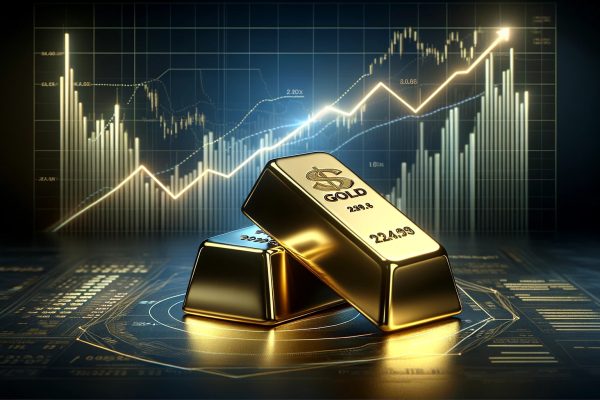
Understanding the Bull Market for Bullion Gold
Published: February 19, 2024
Explore what drives a bull market in gold, from economic uncertainties to the gold/silver ratio, and historical insights into gold's investment appeal.
(Many of the links in this article redirect to a specific reviewed product. Your purchase of these products through affiliate links helps to generate commission for LiveWell, at no extra cost. Learn more)
Table of Contents
In the ever-dynamic world of investments, the allure of gold has remained a constant beacon for those seeking stability and a store of value. A bull market in gold isn’t just a phase; it’s a testament to gold’s enduring appeal and its capacity to serve as a hedge against economic uncertainties. But what exactly constitutes a bull market for bullion gold, and what factors propel this precious metal into the spotlight of investors’ portfolios? This article delves into the essence of a gold bull market, the driving forces behind it, and a glance at historical bull markets to give investors a comprehensive understanding.
What Defines a Bull Market in Gold?
At its core, a bull market in gold is characterized by a prolonged period during which gold prices rise significantly from recent lows. Unlike the more volatile stock market, gold’s price movements are influenced by a unique set of factors, reflecting its dual role as both a commodity and a monetary asset. This period of upward trajectory isn’t just about numbers; it’s a reflection of broader economic sentiments, geopolitical stability, and inflationary pressures.
Key Drivers of a Gold Bull Market
Several factors can trigger a surge in gold prices, leading to a bull market. Understanding these drivers is crucial for investors looking to capitalize on gold’s potential gains:
-
Economic Uncertainty and Inflation: Gold has historically been seen as a safe haven during times of economic instability and high inflation. As currencies lose their purchasing power, gold’s value as a store of value shines brighter.
-
Lower Interest Rates: Lower interest rates reduce the opportunity cost of holding non-yielding assets like gold, making it more attractive to investors.
-
Dollar Weakness: Since gold is priced in U.S. dollars, a weaker dollar makes gold cheaper for holders of other currencies, increasing demand.
-
Geopolitical Tensions: Crises and political instability often push investors towards gold as a safe asset.
-
Market Dynamics: The commodity market plays a significant role, with supply constraints and increased demand from emerging markets fueling price rises.
-
Investment Demand: Trends in investment demand, including from ETFs and central banks, can significantly impact gold prices.
Historical Perspectives on Gold Bull Markets
History is replete with instances where gold bull markets have reshaped investors’ portfolios. From the post-Bretton Woods era in the 1970s to the financial crisis of 2008 and the recent pandemic-induced economic uncertainties, each bull market in gold has its unique story, driven by a mix of economic, political, and social factors. These periods not only highlight gold’s resilience but also its evolution as a store of value and an investment asset.
The 1970s: The End of the Gold Standard
The 1970s marked a significant bull market for gold, triggered by the end of the gold standard. This era saw gold prices skyrocket as currencies moved to a fiat system, leading to high inflation and economic instability.
The 2000s: The Turn of the Millennium
The early 2000s witnessed another notable bull market, driven by the dot-com bubble burst, low interest rates, and geopolitical tensions. Gold’s appeal as a safe haven asset was reignited, showcasing its importance in a diversified investment portfolio.
The 2010s: Post-Financial Crisis
Following the 2008 financial crisis, gold prices soared once again as investors sought safety amid economic recovery, quantitative easing measures, and lingering uncertainties.
The Gold/Silver Ratio
An interesting aspect to consider during gold bull markets is the gold/silver ratio, which measures the amount of silver required to purchase one ounce of gold. Historically, this ratio has provided insights into the relative value of these two metals, with significant shifts often occurring during bull markets for gold. It serves as a tool for investors to gauge market sentiment and potential shifts in precious metals markets.
Conclusion
Understanding the dynamics of a bull market for bullion gold requires more than just a cursory glance at price charts. It necessitates a deep dive into the economic indicators, geopolitical climate, and market sentiments that drive gold prices. As history has shown, gold’s role as a store of value, its performance during periods of economic turmoil, and its intricate dance with the commodity market make it a fascinating asset for investors. Whether as a hedge against inflation, a safe haven during crises, or a diversification tool, gold’s bull markets offer a window into the complexities of global financial systems and the timeless allure of this precious metal.
What's Hot




Latest Articles





Related Post
By: • Finance

By: • Finance

By: Leo Lete • Finance

By: • Finance
By: • Finance
By: • Finance

By: • Finance
By: • Finance
By: • Finance

By: Chelsea • Finance
By: • Finance



By: • Finance
By: • Finance